
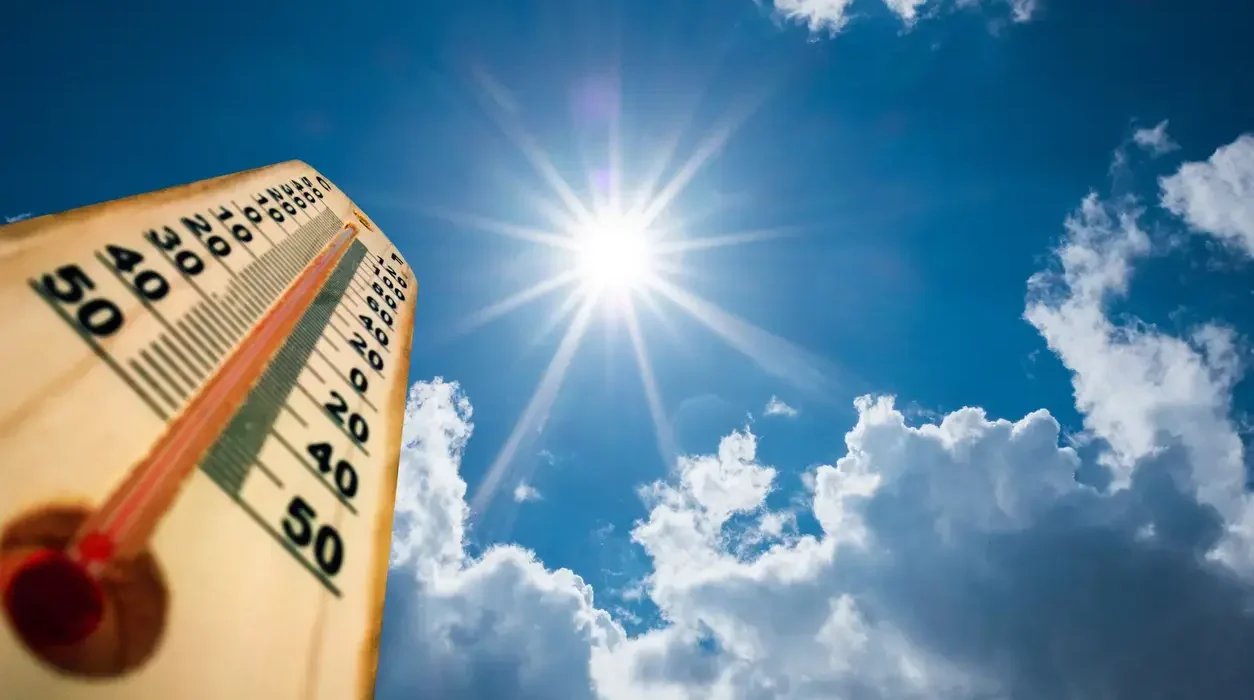
A heat wave is a period of unusually hot weather that continues for several days or longer in a particular region. Heat waves are not simply very hot afternoons. They become especially dangerous when high air temperature is combined with high humidity, strong sunlight, warm nights, and limited wind. Understanding heat waves helps us explain how the atmosphere affects the human body, animals, plants, water supplies, electricity use, and ecosystems.
This lesson explains how heat waves form, why they are becoming a serious environmental and health concern, how scientists measure their effects, and what people can do to stay safer.
Let Us Understand the Concept
What is a heat wave?
A heat wave is an extended period of unusually high temperature compared with the normal temperature expected in that place and season. There is no single temperature that defines a heat wave everywhere. A temperature that is extreme for one region may be common in another region. Therefore, scientists and weather agencies compare the observed temperature with the local seasonal average and use regional warning levels.
For example, a temperature of 40°C may be extremely dangerous in a place that usually experiences much cooler summers. In a very hot desert region, the same temperature may be less unusual, although it can still be harmful. The duration of the hot period also matters. Several consecutive hot days can prevent the body, soil, buildings, and ecosystems from cooling properly.
How does a heat wave form?
Heat waves usually develop when a large area of high atmospheric pressure remains over a region. This condition is sometimes called a heat dome when warm air becomes trapped beneath a strong high-pressure system.
- Air sinks: High pressure causes air to move downward. As the air sinks, it is compressed.
- The air warms: Compression increases the temperature of the sinking air.
- Clouds are reduced: Sinking air makes cloud formation more difficult, so there may be fewer clouds.
- Sunlight heats the surface: With fewer clouds, more solar energy reaches the ground during the day.
- Heat builds up: The land, buildings, roads, and air become progressively warmer.
- The pattern persists: If the high-pressure system moves slowly, hot conditions continue for many days.
Dry soil can make a heat wave more intense. Normally, some of the Sun’s energy is used to evaporate water from soil and plants. Evaporation removes heat from the surface. When the soil is already dry, less energy is used for evaporation, so more energy directly warms the land and nearby air.
Temperature is not the only danger
Air temperature tells us how hot the air is, but it does not describe the full stress placed on the human body. Humidity is the amount of water vapour in the air. When humidity is high, sweat evaporates more slowly. Since evaporation of sweat helps cool the body, humid air can make a moderately high temperature feel much hotter.
The heat index combines air temperature and humidity to estimate how hot conditions feel to the human body. A high heat index means that the body may have difficulty losing heat, even if the thermometer reading does not appear extremely high.
Other factors also affect heat stress. Direct sunlight, physical activity, dark clothing, poor ventilation, dehydration, and a lack of shade can all increase the danger. Warm nights are particularly important because the body and buildings do not receive enough time to cool before the next hot day begins.
How does the human body respond to extreme heat?
The human body normally maintains an internal temperature close to 37°C. When the surrounding air is hot, the body tries to release extra heat in two main ways:
- Increased blood flow to the skin: Blood carries heat from the body’s interior toward the skin, where some heat can escape.
- Sweating: Sweat spreads over the skin. When it evaporates, it removes thermal energy and cools the body.
These methods work best when the air is cooler than the skin and when sweat can evaporate. During a heat wave, especially when humidity is high, the body may gain heat faster than it can lose it. Heavy sweating also causes loss of water and salts called electrolytes. If these are not replaced, dehydration can occur.
Heat-related illnesses
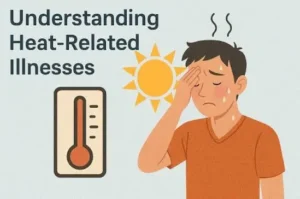
Heat cramps are painful muscle spasms that may occur after heavy sweating and loss of salts. Heat exhaustion is a more serious condition involving heavy sweating, weakness, dizziness, headache, nausea, and tiredness. A person with heat exhaustion needs to be moved to a cool place, given appropriate fluids if fully conscious, and observed carefully.
Heat stroke is a medical emergency. It occurs when the body’s temperature-control system begins to fail. Warning signs may include confusion, fainting, seizures, very hot skin, or unusual behaviour. A person with suspected heat stroke needs urgent medical help. Do not delay emergency care while trying home remedies.
Young children, older adults, pregnant people, outdoor workers, people with certain medical conditions, and those without reliable cooling are often more vulnerable. However, anyone can become ill during extreme heat, particularly during strenuous activity.
Why are cities often hotter?
Cities can experience an urban heat island effect. Concrete, asphalt, bricks, and roofs absorb solar energy during the day and release it slowly at night. Cities also have fewer trees and open areas than many rural surroundings. Buildings can block wind, while vehicles, air conditioners, factories, and other equipment release additional heat.
As a result, urban areas may remain warmer after sunset. This is important because nighttime cooling gives the human body a chance to recover. Planting trees, creating parks, using reflective or light-coloured surfaces, improving building ventilation, and reducing unnecessary heat emissions can help lower urban temperatures.
Effects on water, plants, animals, and ecosystems
Heat waves increase evaporation from lakes, rivers, reservoirs, and soil. If rainfall is also low, water levels may fall, and drought conditions can worsen. Plants may lose water faster through transpiration, the release of water vapour from leaves. When water loss becomes greater than water absorption by roots, plants wilt, and their growth may slow.
Animals may suffer from dehydration, overheating, reduced food availability, and changes in habitat. Aquatic organisms can be affected because warm water holds less dissolved oxygen than cooler water. This can place stress on fish and other aquatic life. Heat waves may also increase the risk of wildfires when vegetation becomes very dry.
Heat waves and climate change
Weather describes short-term atmospheric conditions, while climate describes long-term patterns over many years. A single heat wave is a weather event, but climate change can influence how often heat waves occur, how long they last, and how intense they become.
The main reason is that the average temperature of Earth has increased because human activities have increased the concentration of heat-trapping greenhouse gases in the atmosphere. When the average temperature is higher, extreme heat events can begin from a warmer starting point. Climate change does not mean that every hot day is caused only by one factor, but it can make many heat events more likely or more severe.
How are heat waves monitored?
Weather agencies use thermometers, weather stations, satellites, computer models, and forecasts to monitor heat. They examine maximum temperature, minimum nighttime temperature, humidity, wind, and the length of the hot period. Health warnings may be based on heat index or another measure of heat stress rather than temperature alone.
Authorities issue alerts so that people can reduce outdoor activity, check vulnerable neighbours, change work schedules, open cooling centres, and prepare medical services. Following local weather warnings is an important part of heat-wave safety.
Important Scientific Terms and Their Meanings
| Scientific Term | Simple Meaning | Example or Explanation |
|---|---|---|
| Heat wave | A prolonged period of unusually hot weather | Several days of temperatures far above the local seasonal average. |
| High-pressure system | An area where air pressure is relatively high | Sinking air in such a system can reduce clouds and increase warming. |
| Heat dome | A persistent area of high pressure that traps warm air | It can cause heat to build up over a region. |
| Humidity | The amount of water vapour in the air | High humidity slows the evaporation of sweat. |
| Heat index | An estimate of how hot conditions feel | It combines air temperature and humidity. |
| Evaporation | The change of liquid water into water vapour | Evaporation of sweat helps cool the body. |
| Dehydration | A condition caused by losing more water than the body replaces | Heavy sweating during hot weather can cause dehydration. |
| Heat stroke | A life-threatening failure of the body’s temperature control | Confusion and very high body temperature require urgent medical help. |
| Urban heat island | The extra warming of built-up areas compared with nearby regions | Roads and buildings absorb and release heat. |
| Transpiration | Loss of water vapour from plant leaves | Plants may lose water rapidly during extreme heat. |
| Greenhouse gases | Atmospheric gases that absorb and re-emit infrared radiation | Higher concentrations contribute to long-term warming. |
Examples or Activities
Safe observation: Comparing shaded and sunny surfaces
Aim: To observe how sunlight affects surface heating.
Materials Required: Two similar outdoor surfaces, such as two pieces of cardboard, a thermometer if available, a watch, and a shaded location.
Procedure:
- Place one piece of cardboard in direct sunlight and another in shade for about 15 to 20 minutes.
- Do not touch very hot surfaces with bare skin.
- If an adult-approved thermometer is available, measure the temperature of both surfaces carefully.
- Compare the observations.
Observation: The surface in direct sunlight generally becomes warmer than the shaded surface.
Explanation: The sunny surface absorbs more solar radiation. Shade blocks some incoming radiation, so the shaded surface usually warms less.
Conclusion: Shade can reduce the heating of surfaces and can make outdoor conditions safer. This simple activity does not reproduce a complete heat wave, because real heat waves also involve air movement, humidity, pressure systems, and several days of warming.
Real-life example: Why a parked vehicle becomes dangerous
A closed vehicle can become much hotter than the surrounding air because sunlight passes through the windows and is absorbed by seats, dashboards, and other surfaces. These surfaces release heat, while limited ventilation prevents it from escaping quickly. A vehicle should never be used as a place to leave a child, older person, or animal during hot weather.
What Should We Understand from This Topic?
A heat wave develops when unusual heat persists over a region, often because a slow-moving high-pressure system causes sinking air, fewer clouds, and continued surface warming. The danger depends not only on temperature but also on humidity, sunlight, wind, duration, nighttime cooling, and a person’s health or activity level.
The body cools mainly by moving heat to the skin and evaporating sweat. When extreme heat prevents these processes from working effectively, dehydration, heat exhaustion, and heat stroke may occur. Heat waves also affect water resources, plants, animals, crops, energy demand, and ecosystems. Climate change can increase the likelihood or intensity of many extreme heat events, while urban design can make some places even warmer.
Key Points to Remember
- A heat wave is a prolonged period of unusually high temperature for a particular region and season.
- High-pressure systems can cause sinking air, fewer clouds, and continued warming.
- Humidity reduces the evaporation of sweat and can increase heat stress.
- The heat index considers temperature and humidity together.
- Dehydration occurs when the body loses more water than it replaces.
- Heat stroke is a medical emergency and requires urgent medical attention.
- Cities may be hotter because roads and buildings absorb and release heat.
- Heat waves can affect people, animals, plants, water supplies, electricity demand, and ecosystems.
- Weather is short-term, while climate describes long-term patterns.
- Climate change can make many heat waves more frequent or intense.
- Shade, water, ventilation, tree cover, and following official warnings help reduce heat risk.
Conclusion
Heat waves are serious environmental events caused by persistent atmospheric conditions that allow heat to build up. Their effects become dangerous when the human body cannot cool itself efficiently. By understanding humidity, evaporation, heat index, urban heat islands, and climate patterns, we can better recognise heat risks and take sensible steps to protect people, animals, plants, and natural resources.