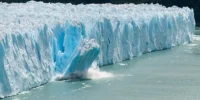

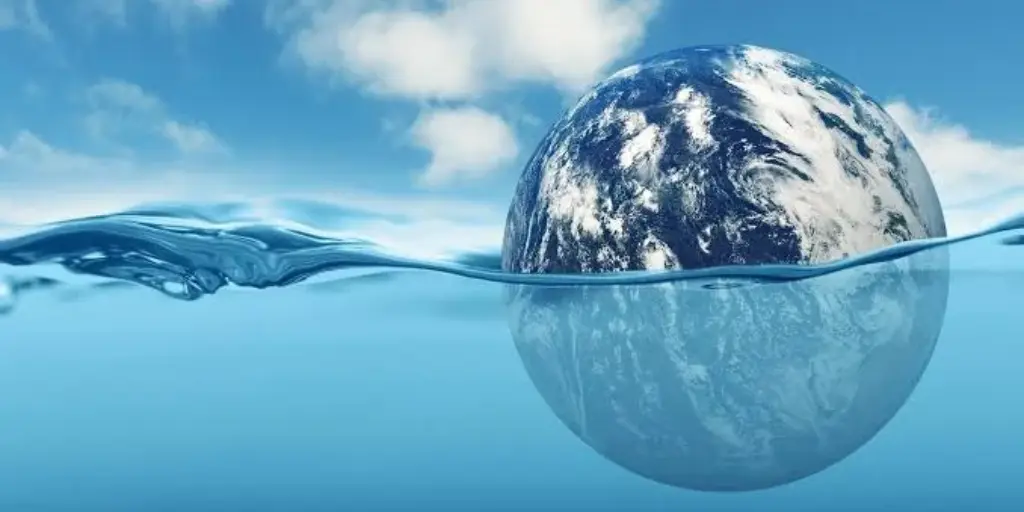
Sea level rise means that the average height of the ocean surface is increasing compared with the land. It is not caused by a single process. The two main causes are the expansion of seawater as it warms and the addition of water to the ocean when land-based ice melts. Changes in the amount of water stored on land, movements of the land itself, and natural ocean processes also affect sea level.
Understanding why sea level is rising helps us understand changes in coastal ecosystems, flooding, erosion, freshwater supplies, cities, and human activities. The important idea is that sea level is connected to the movement of heat and water through the Earth system.
Let Us Understand the Concept
What is sea level?

Sea level is the average height of the ocean surface. Ocean water is not perfectly level everywhere. Waves, tides, winds, ocean currents, differences in temperature, and the shape of the ocean floor cause the surface to be higher in some places and lower in others. Therefore, scientists usually study average global sea level or relative sea level over a period of time.
Global mean sea level is the average height of the ocean surface across the world. Relative sea level describes how high the sea appears compared with a particular piece of land. Relative sea level can rise because the ocean rises, the land sinks, or both occur together.
Cause 1: Warming seawater expands
Water changes its volume when its temperature changes. In general, when seawater becomes warmer, its molecules move more energetically and occupy slightly more space. The amount of water has not increased, but its volume has increased. This process is called thermal expansion.
Imagine filling a container with water and gently warming it. The water expands and occupies a little more space. The same principle operates in the ocean, although the change is spread through a very large volume of water. As the atmosphere warms, the upper layers of the ocean absorb much of the extra heat. Heat can also slowly move into deeper layers. The warming water expands and contributes to higher sea level.
Thermal expansion is important because it does not require new water to be added to the ocean. The existing seawater simply takes up more space. The amount of expansion depends on temperature, pressure, and the salt content of the water. Warmer water generally expands more than colder water.
Cause 2: Melting ice on land adds water to the ocean
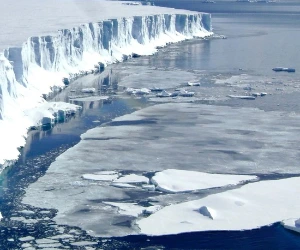
Large amounts of frozen water are stored on land in glaciers and ice sheets. A glacier is a slow-moving mass of ice formed from compacted snow on land. An ice sheet is a very large layer of ice covering a broad area of land.
When air and ocean temperatures rise, glaciers and ice sheets can lose more ice than they gain from new snowfall. Meltwater flows into rivers and eventually reaches the ocean. Ice can also move faster from an ice sheet into the sea, where it breaks away as icebergs. Once this land-based ice has entered the ocean as water, the total amount of ocean water increases, and sea level rises.
This process is different from the melting of ice that is already floating in seawater. Floating sea ice, such as the ice covering parts of the Arctic Ocean, already displaces ocean water. When it melts, it has little direct effect on the average sea level, similar to how melting ice cubes in a full glass do not greatly raise the water level. However, melting sea ice can still affect climate because bright ice reflects sunlight, while darker ocean water absorbs more solar energy.
Why does land ice melt or lose mass?
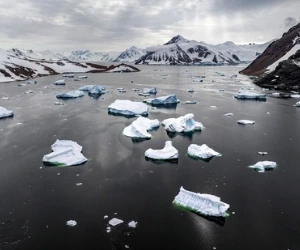
The amount of ice in a glacier or ice sheet is controlled by its mass balance. Ice gains mass when snowfall adds more snow than is lost. It loses mass through surface melting, evaporation, ice flowing into the ocean, and the breaking of icebergs.
If warming causes melting and ice loss to become greater than snowfall, the ice mass decreases. The lost water eventually reaches the ocean. A warmer ocean can also melt the edges or undersides of ice shelves and floating ice extensions connected to land ice. Ice shelves do not raise sea level much when they melt because they already float, but they can slow the movement of land ice behind them. If an ice shelf weakens, land-based ice may flow more quickly into the sea.
Other changes in the amount of water on land
Human activities can move water between land and the ocean. For example, groundwater is pumped from underground for drinking, farming, and industry. Some of this water is used by plants or evaporates, but a portion eventually flows through rivers into the ocean. This transfers water from land storage to the ocean and can contribute to sea level rise.
Reservoirs behind dams have the opposite effect for a time. They store water on land that might otherwise have flowed to the ocean. Changes in the amount of water stored in soil, lakes, wetlands, and snow also influence sea level, although these effects are smaller and more variable than the major effects of ocean warming and land-ice loss.
Why is recent sea level rise strongly linked to climate change?
Earth’s climate has natural variations. Volcanic eruptions, changes in ocean circulation, changes in solar energy, and natural climate patterns can influence sea level for shorter periods. Land can also rise or sink because of tectonic movements or the slow adjustment of Earth’s crust after ancient ice sheets disappeared.
However, the long-term global rise in sea level in the modern period is mainly explained by human-caused global warming. Burning coal, petroleum, and natural gas releases greenhouse gases such as carbon dioxide. These gases trap more heat in the atmosphere. The extra heat warms seawater and increases the melting of glaciers and ice sheets. Scientific measurements from tide gauges, satellites, ocean instruments, and ice observations support this explanation.
Why does sea level change from place to place?
Global average sea level does not rise by exactly the same amount everywhere. Winds and ocean currents can push water toward or away from a coast. Warmer water may occupy more space in one region than another. Changes in salinity also affect the density and height of seawater.
The land may also move. In some coastal areas, groundwater removal, extraction of oil or gas, construction, and the natural compaction of sediments cause the land to sink. This is called land subsidence. Even if the ocean rose only a small amount, sinking land would make the local relative sea level rise faster. In other places, tectonic uplift raises the land and reduces the local rise relative to the shore.
What are the effects of rising sea level?
A higher sea level makes coastal flooding more likely during high tides, storms, and strong winds. A storm does not need to become stronger for its water to reach farther inland if the starting ocean level is already higher. This is why a small rise in the average sea level can increase the damage caused by coastal storms.
Rising sea level also speeds up coastal erosion, the wearing away of beaches, cliffs, and shorelines by waves and currents. Low-lying wetlands and mangrove areas may be covered by seawater if they cannot build soil or move inland quickly enough. These habitats provide homes for many organisms and can help reduce wave energy.
Another effect is saltwater intrusion. In coastal aquifers, freshwater lies above or beside denser saltwater underground. As sea level rises, saltwater can move farther into the aquifer. This may make groundwater less suitable for drinking or irrigation. Rising seas can also damage roads, buildings, ports, drainage systems, and farmland in coastal regions.
How can society respond?
Reducing greenhouse-gas emissions can slow future warming, ocean expansion, and ice loss. This is called mitigation. Using energy efficiently, developing low-carbon energy sources, protecting forests, and reducing unnecessary fossil-fuel use are examples of mitigation.
Preparing for changes that are already occurring is called adaptation. Adaptation may include restoring mangroves and wetlands, improving drainage, designing stronger coastal buildings, protecting freshwater supplies, raising important infrastructure, using flood warning systems, and carefully planning development in vulnerable areas. Effective coastal planning usually combines natural protection, engineering, and informed decisions about where construction should occur.
Important Scientific Terms and Their Meanings
| Scientific Term | Simple Meaning | Example or Explanation |
|---|---|---|
| Sea level | The height of the ocean surface compared with a reference point. | Scientists measure changes in average sea level over time. |
| Global mean sea level | The average ocean height across the world. | It removes many local differences caused by tides and currents. |
| Thermal expansion | Increase in volume when a substance becomes warmer. | Warming seawater expands and occupies more space. |
| Glacier | A slow-moving mass of ice formed on land. | Meltwater from a glacier can flow into the ocean. |
| Ice sheet | A very large layer of land-based ice. | Loss of ice from an ice sheet adds water to the ocean. |
| Sea ice | Seawater that has frozen and is floating in the ocean. | Its melting has little direct effect on sea level. |
| Mass balance | The difference between ice gained and ice lost. | Negative mass balance means an ice body is shrinking. |
| Land subsidence | The sinking of the land surface. | It can make local relative sea level rise faster. |
| Saltwater intrusion | Movement of salty seawater into freshwater supplies. | It can affect coastal wells and underground aquifers. |
| Mitigation | Actions that reduce the causes of climate change. | Reducing greenhouse-gas emissions is mitigation. |
| Adaptation | Actions that reduce harm from environmental changes. | Improving coastal drainage is an adaptation measure. |
Examples or Activities
Simple demonstration of thermal expansion
Aim: To observe that a liquid can expand when warmed.
Materials required: A small bottle, coloured water, a drinking straw, modelling clay, and a bowl of warm water. Use warm water prepared by an adult; do not use boiling water.
Procedure:
- Fill the bottle almost completely with coloured water.
- Place the straw in the bottle opening and seal the opening around it with modelling clay.
- Mark the initial level of the coloured water in the straw.
- Place the bottle in a bowl of warm water and observe the level in the straw.
Observation: The coloured water generally rises in the straw as the water warms.
Explanation: The water expands when heated and needs more space, so it moves upward in the narrow straw. The ocean behaves according to the same basic principle, although its expansion occurs across a huge volume of seawater.
Conclusion: Warming water can increase its volume. This is one important cause of rising sea level. Never seal a container tightly if it may be heated, and perform the activity with adult guidance.
Thinking activity: floating ice and land ice
Imagine two containers of water. In the first, an ice cube floats in the water. In the second, an ice cube rests on a raised platform above the water so that its meltwater can flow into the container. When the floating ice melts, it causes little direct change in the water level. When the ice on the platform melts, its water enters the container and raises the level. The first situation represents floating sea ice, while the second represents glaciers and ice sheets on land.
What Should We Understand from This Topic?
Sea level rises mainly because the ocean is warming and expanding and because melting land-based ice adds water to it. These causes are connected to global warming, but local sea level also depends on land movement, currents, winds, tides, and changes in water stored on land. Floating sea ice is not the same as land ice: its melting has little direct effect on sea level, whereas melting land ice adds water to the ocean.
The effects are especially important for low-lying coastal areas. Higher seas increase the risk of flooding, erosion, saltwater intrusion, and damage to habitats and infrastructure. Reducing greenhouse-gas emissions can limit future change, while adaptation can help communities prepare for unavoidable impacts.
Key Points to Remember
- Sea level is the height of the ocean surface measured against a reference level.
- Thermal expansion occurs when warming seawater takes up more space.
- Melting glaciers and ice sheets add new water to the ocean.
- Melting floating sea ice has little direct effect on sea level.
- Groundwater pumping can transfer water from land to the ocean.
- Local relative sea level also depends on whether land is sinking or rising.
- Rising sea level increases coastal flooding, erosion, and saltwater intrusion.
- Mitigation reduces the causes of climate change, while adaptation reduces its effects.
- Human-caused warming is the main reason for the long-term modern rise in global sea level.
Conclusion
Sea level is rising because warming seawater expands and melting ice on land adds water to the ocean. Natural processes influence local conditions, but the long-term global trend is strongly connected with human-caused climate warming. Learning these processes helps us understand why protecting coastal ecosystems, reducing emissions, and planning safely for the future are all important.