


Recently updated on October 22nd, 2026 at 11:11 am
When it comes to B.Tech specialisations, Computer Science and Engineering (CSE) — also known as Computer Science Engineering — is a popular and in-demand option among students. In today’s technologically advanced world, computer science engineering provides numerous opportunities in the software, hardware, and digital industries. If you appreciate coding, problem-solving, and invention, this is the branch for you.
Also See: Courses in B.Tech
What is Computer Science and Engineering (CSE)?

Computer Science and Engineering is the study of computers, programming, algorithms, and systems. It addresses both the theoretical basis and practical applications of computing. Unlike Information Technology (IT), which focuses on implementation and systems administration, CSE delves further into the heart of computer technology, from developing new algorithms to creating next-generation applications.
Difference Between Computer Science and Computer Engineering
If you’re wondering how Computer Science and Engineering (CSE) stacks up against Computer Engineering, the distinction comes down to where you want to get your hands dirty—software or hardware.
- Core Focus:
CSE leans towards programming, algorithms, software design, and exploring the logic that powers everything from search engines to mobile apps. Computer Engineering, on the other hand, gets into the nitty-gritty of how computers physically work, delving into electronic circuits, microprocessors, and integrating hardware with software. - Course Content:
In CSE, expect to dive into courses focused on topics like algorithms, artificial intelligence, machine learning, and software systems. Computer Engineering shifts gears with subjects like digital electronics, microcontrollers, and embedded systems—think of the brains behind robots, IoT devices, and high-performance chips. - Professional Pathways:
With a CSE background, graduates typically head into roles as software developers, data scientists, or AI specialists, shaping how information is processed and experienced. Computer engineers, by contrast, often find themselves designing computer hardware, embedded systems, or even working on chip architecture at companies like Intel or NVIDIA. - Market Demand:
Both fields offer robust careers, but the tech industry’s current landscape tips the scales toward software expertise, given the surge in digital products, cloud computing, and automation. However, hardware specialists remain crucial for driving innovations behind the scenes.
Understanding these differences can help you choose the path that aligns with your interests—whether you dream of building the next breakthrough app or innovating the machinery that runs it.
Is Computer Science Engineering Difficult?
Like any worthwhile pursuit, studying Computer Science Engineering does come with its share of challenges. You’ll find yourself learning complex concepts, thinking logically, and tackling plenty of programming problems. However, if you have a genuine curiosity about technology and are willing to put in steady effort, the subject becomes much more approachable. Many students find that while the curriculum can seem demanding at times, it’s manageable with perseverance and a willingness to learn.
Can Students Without a Mathematics Background Pursue Computer Science Engineering?
Mathematics forms the backbone of Computer Science Engineering, playing a vital role in programming, algorithms, and analytical thinking. For this reason, most colleges in India require Mathematics as a core subject in your qualifying exams (such as 10+2) for admission into CSE. Without a background in Maths, eligibility for CSE is generally not possible, as the subject is fundamental to the coursework and entrance requirements.
If you are passionate about computers but did not take Mathematics, consider exploring alternative pathways like Information Technology (IT), Computer Applications (BCA), or short-term coding bootcamps, which may have more flexible eligibility criteria. However, if CSE is your goal, strengthening your foundation in Mathematics is crucial before applying.
Key Subjects in CSE

Students pursuing a B.Tech in CSE will study subjects like:
- Data Structures and Algorithms
- Programming Languages (C, C++, Java, Python, etc.)
- Operating Systems
- Database Management Systems (DBMS)
- Computer Networks
- Artificial Intelligence (AI) & Machine Learning (ML)
- Cloud Computing
- Software Engineering
- Compiler Design
- Cybersecurity & Cryptography
Which Programming Language Should You Learn First in CSE?
If you’re just getting started in computer science engineering, you might wonder which programming language to tackle first. Most CSE programs introduce beginners to languages such as C, Python, or Java.
- C is often chosen as it builds a strong foundation for understanding how computers work under the hood—think memory management and problem-solving at a low level.
- Python stands out for its simple syntax, making it easy to pick up for those new to coding. Plus, it’s widely used for everything from web development to artificial intelligence.
- Java is a popular choice too, valued for its object-oriented approach and relevance in both academic environments and the tech industry.
Ultimately, any of these are excellent starting points. Your first language should help you grasp key programming concepts, which you can then transfer to other languages as you progress in your CSE journey.
Skills You Gain in CSE

By studying CSE, students develop:
1. Programming proficiency in multiple languages.
2. Problem-solving and logical reasoning abilities.
3. Understanding of software development and system design.
4. Analytical thinking for algorithms and optimisation.
5. Teamwork and communication abilities for IT projects.
Career Opportunities in CSE

Computer science graduates are in high demand both in India and internationally. Some popular career roles are:
- Software Developer / Software Engineer
- Web Developer / Mobile App Developer
- AI & Machine Learning Engineer
- Data Scientist / Data Analyst
- Cybersecurity Specialist
- Cloud Solutions Architect
- Blockchain Developer
- System Analyst / IT Consultant
Best Certifications to Pursue with a CSE Degree
Pursuing industry-recognised certifications alongside your B.Tech in Computer Science Engineering can give you a real edge in the job market. Some valuable options include:
- Cloud Computing Certifications: AWS Certified Solutions Architect, Microsoft Azure Fundamentals, and Google Cloud certifications.
- Data Science & Analytics: Certifications in Python programming, Data Science (offered by platforms like Coursera and edX), or Google Data Analytics.
- Cybersecurity Credentials: CompTIA Security+, Certified Ethical Hacker (CEH), or Cisco’s CCNA Security.
- Artificial Intelligence & Machine Learning: Microsoft AI Fundamentals, TensorFlow Developer Certificate, or courses from IBM and DeepLearning.AI.
These certifications supplement your academic curriculum, validate your technical skills, and often make your resume more attractive to top employers.
Average Salary for Computer Science Engineering Graduates in India
So, what can you expect to earn after completing a B.Tech in Computer Science Engineering?
For freshers just entering the workforce, starting salaries typically range between ₹4 to ₹8 lakhs per annum, depending on your technical skills, college reputation, and the industry sector you join. As professionals gain experience—usually around 3 to 5 years—this figure can climb anywhere from ₹8 to ₹15 lakhs per year.
Seasoned engineers and specialists, especially those with expertise in high-demand areas like artificial intelligence, machine learning, or cloud technologies, can earn over ₹20 lakhs annually. Beyond traditional employment, many CSE graduates explore freelancing, remote work, and project-based opportunities, allowing them to diversify—and often increase—their income streams.
Top Recruiters for CSE Graduates
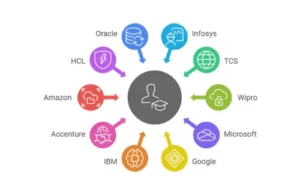
Major tech companies actively hire CSE graduates, such as:
- Microsoft
- Amazon
- Infosys
- TCS
- Wipro
- Accenture
- IBM
- Startups in AI, Fintech, and SaaS sectors
Best Colleges for CSE in India
Choosing the right college is a crucial step for aspiring CSE students. India boasts several prestigious institutions known for their strong curriculum, cutting-edge research, and excellent campus placement records. Here are some of the top choices among students:
- Indian Institutes of Technology (IITs)
Renowned for their rigorous academics, world-class faculty, and outstanding placement drives, IITs consistently rank at the top for CSE education. - National Institutes of Technology (NITs)
NITs offer quality programs and are celebrated for their state-of-the-art laboratories and close ties with industry leaders. - Indian Institutes of Information Technology (IIITs)
Specialising in computer science and IT, IIITs are excellent options for those looking for focused technical education and research exposure. - Established Private Universities
Institutions like VIT, SRM, and Manipal University are well-known for their modern infrastructure, industry-linked programs, and vibrant campus life.
No matter which institution students choose, strong academic performance, proactive participation in projects, and internship experience will significantly enhance career prospects in CSE.
Future Scope of CSE
Computer science is constantly evolving, with advances in Artificial Intelligence, Big Data, Blockchain, Cybersecurity, and the Internet of Things (IoT). The demand for skilled CSE graduates is expected to increase as more companies undergo digital transformation. Furthermore, CSE provides access to research opportunities and advanced degrees (such as MS, M.Tech, or PhD) in cutting-edge domains.
Pursuing an MBA After CSE
Yes, pursuing an MBA after earning a degree in Computer Science and Engineering is a popular path for many graduates. With a strong foundation in technical skills, CSE graduates often choose to specialise in areas like Information Technology Management, Business Analytics, or General Management through an MBA. This combination opens doors to leadership positions in top tech firms, consulting companies, and even roles in project management or product management. Companies like Google, Accenture, and Deloitte actively seek professionals who possess both technical expertise and business acumen. An MBA after CSE can significantly enhance your career prospects and salary potential, especially for those aiming to move into strategic or managerial roles within the technology sector.
Conclusion
A B.Tech in Computer Science and Engineering (CSE) is an excellent alternative for students seeking to establish a solid foundation in computer science and thrive in today’s digital economy. With numerous job prospects, competitive income packages, and global demand, CSE remains one of the most rewarding engineering fields.