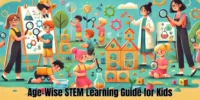


Parents often wonder which learning method is better for their children— STEM learning or traditional learning. Both approaches aim to educate children, but they differ greatly in how children learn and understand concepts.
Understanding the difference helps parents make better learning choices for young learners.
What Is Traditional Learning?
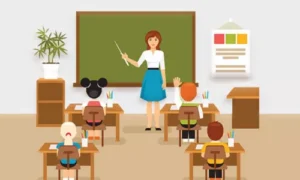
Traditional learning usually focuses on:
- Textbooks and notes
- Teacher-centered teaching
- Memorisation of answers
- Exams and marks
In this method, children listen, read, and remember information. It works well for basic knowledge but may limit creativity and practical understanding.
What Is STEM Learning?
STEM learning focuses on:
- Hands-on activities
- Real-life problem solving
- Asking questions and exploring
- Learning through experiments and play
Instead of memorising, children understand concepts by doing.
Key Differences Between STEM and Traditional Learning
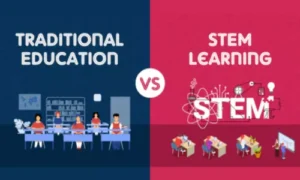
| Traditional Learning | STEM Learning |
|---|---|
| Memorization-based | Concept-based learning |
| Teacher-centered | Student-centered |
| One correct answer | Multiple solutions |
| Exam-focused | Skill-focused |
| Less practical | Real-life application |
This difference changes how children think and learn.
How STEM Improves Understanding
In STEM learning:
- Children try, fail, and try again
- Mistakes are part of learning
- Creativity is encouraged
This helps children understand why something works, not just what the answer is.
Which Method Is Better for Young Learners?
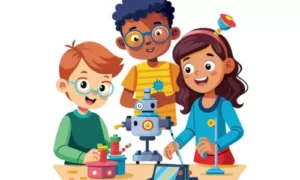
For young children, STEM learning is often more effective because:
- It matches their natural curiosity
- It keeps learning fun and engaging
- It builds confidence early
However, traditional learning still has value for basic reading, writing, and structure. The best approach is a balance of both.
Role of Parents and Teachers

Parents and teachers can:
- Combine STEM activities with school learning
- Encourage questions at home
- Allow children to explore ideas freely
Supporting STEM does not mean rejecting traditional education—it means enhancing it.
Conclusion
STEM and traditional learning are not enemies. Traditional learning gives structure, while STEM adds creativity and real-world understanding. Together, they help children become smart, confident, and capable learners.
FAQ – QUESTIONS & ANSWERS
1. What is the main difference between STEM and traditional learning?
STEM focuses on learning by doing, while traditional learning focuses on memorisation.
2. Is STEM better than traditional education?
STEM is more effective for developing thinking skills, but both methods work best when combined.
3. Can STEM learning replace school education?
No. STEM supports school learning but does not replace it.
4. Is STEM suitable for all children?
Yes. STEM activities can be tailored to suit different age groups and learning levels.
5. How can parents introduce STEM at home?
By encouraging curiosity, hands-on activities, and problem-solving games.